

If you are currently involved in a separation or divorce, the legal processes can feel like navigating a maze designed to confuse. The sheer weight of co-parenting disagreements-whether it’s over school holidays, communication methods, or financial support-can make every simple conversation feel like a major battle. It is completely normal to feel overwhelmed and uncertain when facing formal legal requirements, especially when those requirements involve an MIAM appointment for co-parenting dispute resolution timeline.
Before reading this post, you might be feeling trapped in cyclical conflict with your co-parent, where every interaction feels fraught with tension and disagreement. Please know that what you are experiencing is incredibly stressful, but it does not mean the situation has no path forward. Our goal here, as your trusted local resource in Betty Mundy's Bottom, isn't to assign blame or determine who was right all along. Instead, we want to help you shift your focus from "who is right" to the single most important question: What is genuinely best for our children?
We understand that legal timelines can feel rigid and intimidating-like a clock ticking down on your peace of mind. But I want to reassure you: while the law requires certain steps, the underlying goal of mediation remains keeping the child’s stability and emotional well-being at the heart of every decision we make together. Think of this journey not as solving a dispute, but as building a practical blueprint for your family's future that works for everyone involved.
Understanding the MIAM Appointment (And What It Means for Your Timeline)
If you have recently received legal correspondence or have been directed to attend an MIAM appointment, it’s crucial that you first understand exactly what this meeting entails and why it is mandatory. The acronym stands for Mediation Information and Assessment Meeting. Simply put, it is the law's formal, initial check-up to determine if mediation-the structured conversation process-is a viable option for resolving your co-parenting issues outside of court.
What MIAM Is (And Isn’t):
An MIAM is not a judgment session, and it certainly isn't the full dispute resolution itself. It is an assessment. The mediator will talk to you about what mediation is, how it works, and whether your specific disagreements-be they related to finances or child care schedules-are suitable for being handled through structured conversation.
Setting Realistic Expectations on Timing:
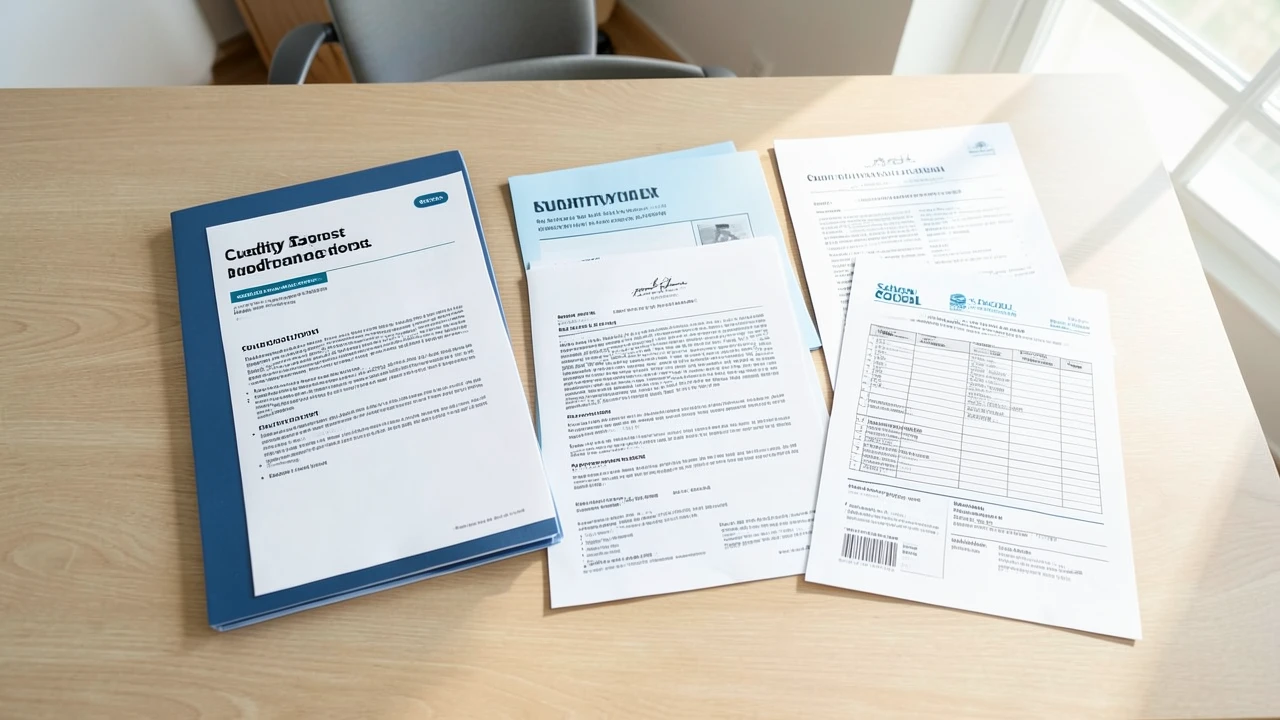
When we discuss the MIAM appointment for co-parenting dispute resolution timeline, remember that the process starts with booking, which can vary depending on local court availability and your current location across the Hambleton Area (whether you live near Kings Worthy or Whiteley). However, what is most important to focus on right now is preparation. Gathering necessary documentation early-such as financial disclosure examples, custody agreements, or school records-will make that first appointment much more productive.
Addressing the 'What If?' Concern:
It is natural to worry: What if mediation isn't possible? A competent mediator will guide you through this. For very complex issues, like major property division involving significant assets, it might be necessary to understand the limitations of mediation and what steps are required next (such as further legal advice or specific court orders). Our role is to ensure you know all your options, not just one path.
A Local Analogy for Clarity:
To help explain this difference: Think of attending a court hearing like walking into a magistrate's court-it's public, adversarial, and highly formal. Conversely, an MIAM appointment or subsequent mediation session is more like consulting with a trusted expert advisor at the village high street. It’s private, structured, confidential, and focused entirely on giving you clear advice and helping you build practical solutions for your household.
What Actually Happens During the Process? Deconstructing the Timeline
If an MIAM confirms that mediation is suitable, you will move into the full process of Child Arrangement Mediation. Understanding this step-by-step structure helps reduce the anxiety associated with the unknown.
The Structure of a Session:
A typical child custody mediation session begins with introductions and setting ground rules. The mediator ensures everyone understands that the discussion must remain civil, focused, and solution-oriented-not accusatory. We will then work through specific, defined topics. These might include:
- Detailed holiday schedules (who gets which weekends/holidays).
- Communication protocols (how and when parents communicate regarding school or appointments).
- The practical logistics of handovers between homes in the Hambleton Area.
The Mediator’s Role-Your Neutral Guide:
It is essential to understand that the mediator is not a judge, nor are they a lawyer for either side. They are a neutral guide. Their job is to facilitate the conversation. If emotions run high or if one parent tries to derail the discussion with accusations, the mediator steps in-gently but firmly-to keep the focus on the children's needs and the agreed-upon topic. This allows you to speak your mind while ensuring the conversation stays constructive.
Managing Expectations for Duration:
People often fear that mediation will drag on indefinitely. We understand this worry! However, we manage expectations by breaking down the process into manageable chunks. A basic parenting plan might take a focused half-day session. If financial arrangements are involved-requiring detailed financial disclosure-it may require multiple sessions over several weeks to ensure all details are covered accurately. The goal is efficiency and completeness, avoiding the drawn-out nature of litigation at all costs.
The Outcome Focus: A Written Plan:
Ultimately, the success metric isn't a handshake; it’s a written, actionable Parenting Plan or settlement agreement. This document outlines specific, measurable actions-from who pays for extracurricular activities to how many hours per week each child spends at each parent’s home. This plan is what moves you from vague disagreements to concrete future realities.
Why Structured Mediation Often Outperforms Litigation in Hambleton Area Families
When faced with high conflict, the most natural instinct can be to "fight" your case through legal channels. While litigation guarantees a process, it does not guarantee peace or resolution; it often only guarantees cost and stress. We gently contrast this adversarial approach with the structured environment of mediation.
The Difference Between Conflict and Collaboration:
Litigation is inherently public and confrontational. Every skirmish becomes a recordable piece of evidence that can be used against you in court, turning disagreements into public spectacle. Mediation, by contrast, is controlled, private, and confidential. It provides a safe space where both parents feel heard without the fear of constantly fighting for every word spoken.
Cost and Emotional Drain:
This is perhaps the biggest factor many families overlook. Legal costs add up incredibly fast-deposits, filing fees, barrister time, expert witnesses. Resolving through structured mediation, while requiring investment, is often significantly more affordable because you are paying for solutions and agreements, not for legal hours spent fighting over past grievances. Furthermore, the emotional drain of constant conflict can impact everyone in the family, far beyond just the parents.
We recently worked with a couple whose disagreement regarding an educational choice (a minor issue, but highly contentious) had escalated to point of legal action. By using Child Arrangement Mediation, we were able to discuss their differing views over several focused sessions and arrive at a practical compromise that neither parent felt forced into-an outcome they deemed much better than the anticipated cost and stress of court proceedings in the Hambleton Area.
A Local Commitment to Stability:
For many families across Kings Worthy, Whiteley, and Hamble-le-Rice, we find structured mediation is the most sensible path forward for their specific household needs. We understand that every family dynamic is unique-some need a simple communication plan; others require complex financial structuring. Our process adapts to your life, rather than forcing you into rigid legal boxes.
From Conflict to Clarity: Making a Practical Parenting Plan
The ultimate goal of mediation is not simply to agree on custody, but to build a comprehensive Parenting Plan that serves as the family's operating manual for years to come. This shifts the entire focus away from who was right in the past and toward building a peaceful, structured future.
Reiterating 'Best Interests': The Guiding Star:
Every single decision made during mediation-whether it’s about schooling, pet ownership, or holiday rotations-must circle back to what is genuinely best for your child's emotional stability and physical care. By constantly referring to this guiding star, we naturally minimize the need for parents to argue over historical blame, helping everyone focus on positive action.
Moving Beyond Basic Custody:
Modern mediation goes far deeper than simply determining who gets the kids. A complete parenting plan is a sophisticated document covering: detailed communication schedules (e.g., "all non-urgent communication must be via email"), financial support schedules (including unforeseen costs), and clear holiday rotation plans that account for school years and annual leave. It’s about creating predictable structure, which is invaluable for children.
Handling High-Conflict Situations with Grace:
Some parents feel immense pressure to "prove" their case or defend their version of events. In mediation, however, you are not there to prove anything; you are there to create agreements. The process minimizes the need to assign fault entirely. We focus on future actions and mutual commitments that allow both parents to walk away with a clear path forward, rather than a litany of grievances.
As one parent told me during a session last month-a difficult time for them-"I thought I had to be right to protect my child. But mediation showed me that being stable is much more powerful than proving fault." This perfectly encapsulates the shift in perspective we aim for. The most successful outcomes are built on realistic future plans, not nostalgic memories of what used to be.
If you are feeling overwhelmed by the legal jargon or unsure where to start with an MIAM appointment for co-parenting dispute resolution timeline, please remember that support is available right here in Betty Mundy's Bottom. A simple, initial conversation with us can clarify whether formal mediation is the most sensible and supportive first step before committing to a full process. Let’s talk about building your practical plan together.